


Probation Violations Attorney In Alpharetta
Violating probation is a serious matter in Georgia. A probation violation can move quickly from a notice to a warrant, arrest, and court appearance. When your freedom is at risk, immediate and strategic legal guidance matters. Experienced lawyers for probation violations in Alpharetta can help you understand the allegations, evaluate your options, and prepare a strong response before the court.
We have handled many probation violation cases successfully and will strive for a favorable outcome in yours.
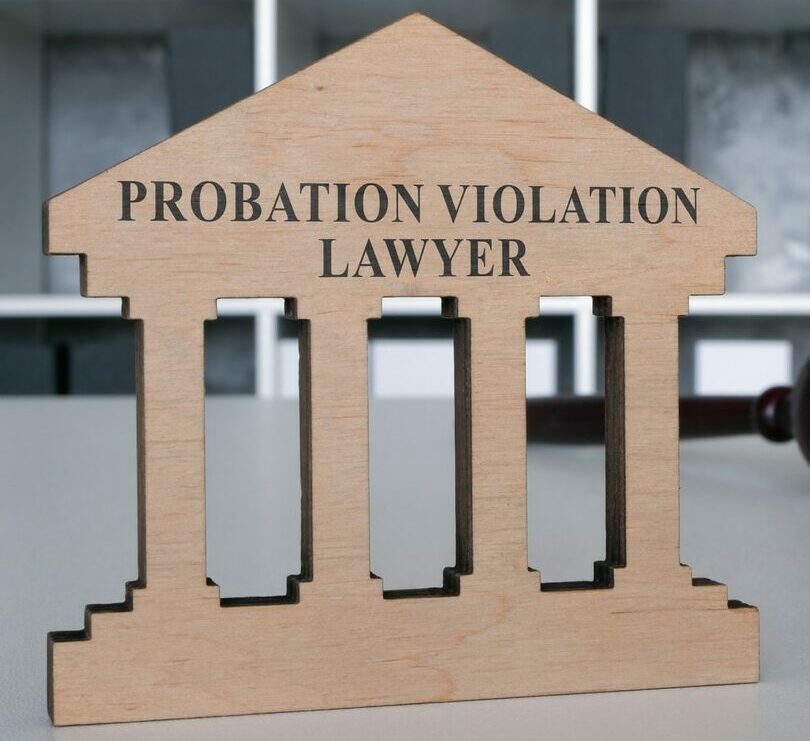
Understanding Probation Violations in Alpharetta
A probation violation in Alpharetta occurs when a person allegedly fails to comply with court-ordered conditions. Probation allows individuals to remain in the community under supervision, but it requires strict adherence to the court’s rules.
Common probation violations include missed check-ins with a probation officer, unpaid fines or restitution, failed drug tests, failure to complete required classes or community service, or being charged with a new criminal offense. Even technical violations can result in serious consequences if not addressed promptly.
Violating probation in Alpharetta can trigger an arrest warrant and an immediate court appearance. Once a warrant is issued, you may be taken into custody and held until a revocation hearing is scheduled. Judges have broad discretion at these hearings and may impose additional penalties, extend probation, or revoke it entirely.
Strategic Defense to Protect Your Future
Working with top lawyers for probation violation in Alpharetta is critical to protecting your freedom and future. A thorough defense may involve reviewing probation terms, challenging the evidence, presenting mitigating circumstances, and negotiating alternatives to incarceration.
Preparation is essential. Courts apply a lower standard of proof in probation hearings than in criminal trials, which makes careful legal advocacy even more important.
Bulldog Law Firm understands how local courts handle probation matters and develops case strategies tailored to your situation. From the initial allegation through the final hearing, strong representation can make a meaningful difference in minimizing penalties and pursuing the most favorable resolution available under Georgia law.
How Georgia Probation Works
Probation in Georgia allows parties to serve all or part of their sentence in the community rather than in jail or prison. It is a form of court-ordered supervision designed to promote accountability while allowing someone to remain employed, support their family, and comply with structured conditions.
Conditions of Supervision
When probation is imposed, the court sets specific terms that must be followed. These conditions often include regular reporting to a probation officer, payment of fines or restitution, completion of community service hours, attendance at counseling or treatment programs, drug and alcohol testing, and strict compliance with all laws.
Some cases may include special conditions tailored to the offense, such as anger management classes, driving restrictions, or no-contact orders. Failing to comply with any condition can result in an alleged violation, even if the issue appears minor.
Reporting and Alleged Violations
A probation officer monitors compliance and documents any concerns. If the officer believes a violation occurred, a report is submitted to the court. This may lead to a warrant, a summons, or a probation revocation hearing before a judge.
At the hearing, the court reviews the evidence and determines whether a violation occurred and, if so, what consequences, if any, are appropriate. Judges have discretion to modify conditions, extend supervision, or revoke probation.
An experienced probation violation lawyer in Alpharetta can explain how the probation system works, review the specific terms in your case, and prepare you for what to expect if a violation is alleged. Early guidance can make a meaningful difference in protecting your rights and your freedom.
Types of Probation Violations
Probation is often granted as an alternative to incarceration, but it comes with strict conditions. When those conditions are not followed, a violation may be alleged. Understanding the type of violation involved is important because it can affect how the court responds.
Technical Violations
Technical violations occur when someone fails to comply with the specific terms of probation. These may include missing scheduled meetings with a probation officer, failing to complete court-ordered classes, failing to pay fines or restitution, traveling without permission, or testing positive on a drug screening.
While technical violations do not involve new criminal conduct, they can still carry serious consequences. Judges may impose additional restrictions, extend the probation period, or order short-term confinement. Even a seemingly minor issue can escalate into a serious Alpharetta probation violation if the court believes the terms of supervision are being ignored.
Substantive Violations
Substantive violations involve alleged new criminal charges while on probation. These are typically treated more severely because they suggest further unlawful conduct during a period of court supervision. A new arrest may trigger both a separate criminal case and a probation revocation proceeding.
If the court determines that a new offense occurred, the judge may revoke probation and impose part or all of the original suspended sentence. Because the stakes are higher, careful preparation is essential.
Lawyers for probation violation in Alpharetta can evaluate the allegations, review the evidence, and determine whether the claimed violation is legally valid or defensible. Early legal guidance can help prevent avoidable penalties and protect your rights throughout the process.
Consequences of Violating Probation in Alpharetta
An alleged probation violation should never be taken lightly. Even a technical violation can trigger serious consequences. Georgia courts have the authority to impose a range of penalties depending on the nature of the violation, prior history, and overall compliance while on supervision.
Potential Penalties After a Violation
If a judge determines that a violation occurred, possible penalties may include jail time, extended probation, additional reporting requirements, stricter supervision, or enrollment in treatment programs. In more serious cases, the court may revoke probation entirely and require the individual to serve some or all of the previously suspended sentence.
The outcome often depends on whether the violation is considered technical, such as a missed appointment or an unpaid fine, or substantive, such as an arrest for a new offense. Courts tend to view repeated or serious violations as a sign that probation conditions are not being followed, which can increase the risk of incarceration. Rely on an experienced criminal defense attorney in this situation for a favorable resolution.
Judicial Discretion Under Georgia Law
During a probation revocation hearing, the judge has broad discretion under Georgia law. The court reviews the allegations, hears evidence, and decides on the appropriate consequence. Unlike in a criminal trial, the burden of proof is lower, making preparation especially important.
Top lawyers for probation violation in Alpharetta focus on minimizing penalties and presenting strong arguments for alternatives to jail. By addressing weaknesses in the State’s case and highlighting mitigating factors, legal counsel works to protect your freedom and reduce long-term consequences.
Defense Strategies for Probation Violation Cases
Facing a probation violation can feel overwhelming. The consequences may include additional restrictions, extended supervision, or incarceration. However, an allegation is not the same as a proven violation. A thoughtful and experienced criminal defense lawyer can significantly affect how your case is resolved.
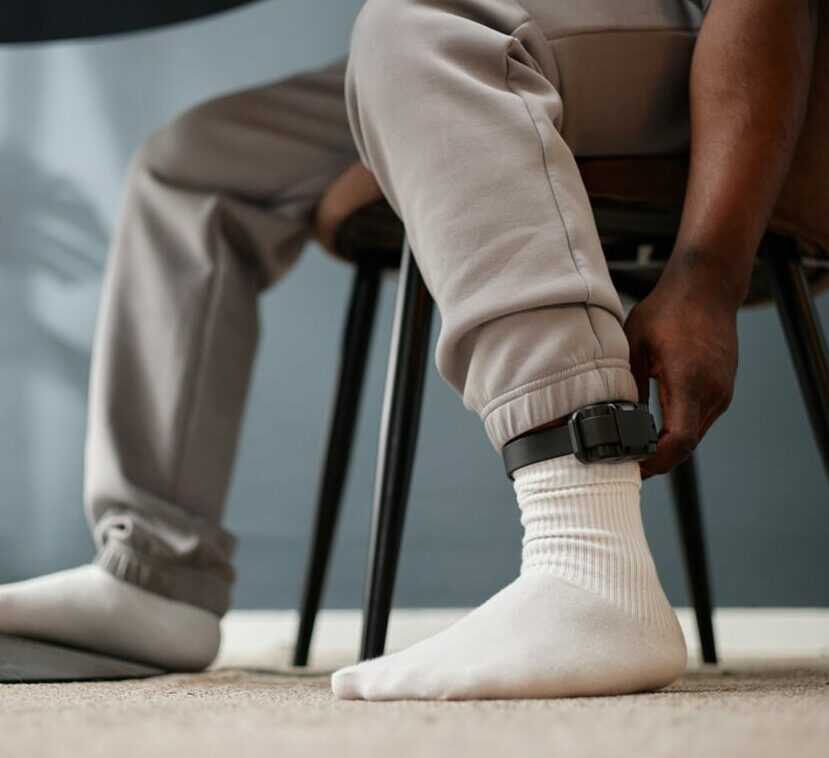
Challenging the Evidence
One of the first steps in defending against a probation violation is closely examining the evidence. Courts often rely on probation officer reports, drug test results, payment records, or allegations of new criminal conduct. These sources are not immune to error.
A defense may question the accuracy of drug testing procedures, highlight missing documentation, or expose inconsistencies in witness testimony. In some cases, the evidence may be insufficient to meet the required standard for revocation. Challenging unsupported or unreliable claims can weaken the State’s position and protect your rights.
Demonstrating Compliance or Mitigating Circumstances
Not every alleged violation reflects intentional wrongdoing. A strong defense may show that you substantially complied with probation conditions or that circumstances beyond your control caused the issue.
For example, missed payments may stem from documented financial hardship. Missed appointments may be due to medical emergencies or transportation issues. Clear communication failures or misunderstandings about reporting requirements may also be relevant. Presenting documentation, records, and credible explanations can shift the court’s focus toward fairness rather than punishment.
Negotiating Alternative Resolutions
In many situations, the goal is to avoid full revocation. Skilled legal representation can negotiate alternatives such as modified probation terms, short-term confinement, extended supervision, or enrollment in treatment programs. Courts often consider whether corrective measures can address the concern without imposing the original suspended sentence.
A violating probation in Alpharetta lawyer prepares clients thoroughly for hearings, explains what to expect in court, and advocates assertively before the judge. By combining evidence review, strategic argument, and negotiation, a well-prepared defense with skilled legal counsel seeks to reduce penalties and pursue the most favorable resolution available under Georgia law.

Why Choose Bulldog Law Firm for Probation Violation Defense
A probation violation can jeopardize your freedom, family, and finances. Acting quickly and strategically matters. Bulldog Law Firm represents individuals accused of probation violations in Alpharetta and understands how Georgia courts evaluate such cases.
Our lawyers for probation violation in Alpharetta carefully review the alleged violation, examine the evidence, and identify weaknesses in the State’s claims. We prepare for hearings, challenge unsupported allegations, and present mitigating factors that may support modification rather than revocation. Every case is approached with detailed preparation and a clear defense strategy.
We focus on protecting your rights at every stage of the process. Whether the issue involves missed appointments, failed testing, unpaid fines, or new charges, our goal is to pursue the most favorable and optimal outcome available under the circumstances.
From the first notice of violation through the final court appearance, you will have direct guidance, responsive communication, and a defense designed for your situation. We offer free consultations, so contact us today.
Frequently Asked Questions
What are common probation conditions that people violate?
Common violations include missing appointments, failing drug tests, failing to complete required programs, traveling without permission, failing to pay fines or restitution, and being arrested for a new offense while on probation.
Do I automatically go to jail for a probation violation?
Not necessarily. The court considers the severity of the alleged violation, your probation history, and whether the issue can be corrected. Some violations result in warnings or modified terms instead of incarceration.
What happens if my probation is revoked?
If probation is revoked, the judge may impose some or all of the original suspended sentence. This could mean jail or prison time, additional probation conditions, or other court-ordered penalties.
Can a lawyer challenge a probation violation?
Yes. An attorney can review the allegations, examine evidence, cross-examine witnesses, and argue against revocation. Legal representation can also present mitigating circumstances or request alternative sanctions.
What evidence does the court rely on in probation violation hearings?
Courts often rely on probation officer reports, drug test results, payment records, and testimony. The standard of proof is generally lower than in criminal trials.
How long after an alleged violation will I be notified?
Notification timing varies. You may receive a written notice, a summons, or be arrested if a warrant is issued.
Do I have a right to a hearing before probation is revoked?
Yes. You are entitled to a probation revocation hearing where you can respond to the allegations and present evidence.
Can new criminal charges be filed based on a probation violation?
Yes. If the violation involves a new alleged crime, prosecutors may file separate criminal charges in addition to probation proceedings.
Should I attend my probation officer meetings if there’s a violation?
Yes. Continue complying with all requirements unless advised otherwise by counsel. Missing meetings can worsen the situation.
Can probation be modified instead of revoked?
Yes. Judges may extend probation, add conditions, or impose short confinement instead of full revocation.
What if I was unaware I violated probation?
Lack of awareness may be raised as a defense, especially if conditions were unclear or communication was inadequate.
Can probation be reinstated if it’s revoked?
In some cases, courts may reinstate probation after partial service of a sentence or upon a successful motion showing changed circumstances.


