


Alpharetta Marijuana DUI Lawyer
Marijuana DUI Defense in Alpharetta
Marijuana DUI cases require a focused and carefully structured defense strategy. Georgia’s DUI laws are detailed, and law enforcement standards for marijuana continue to evolve.
Unlike alcohol-related charges, these cases often depend on officer interpretation rather than a clearly defined legal limit. That makes early legal analysis by a skilled criminal defense attorney especially important if you face marijuana possession or DUI charges.
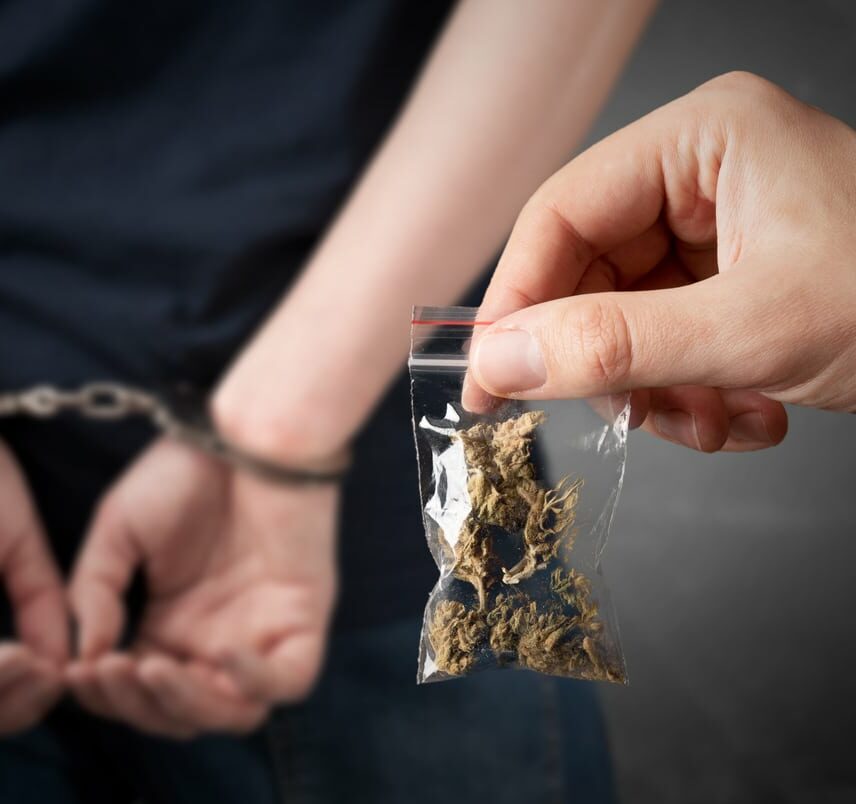
How Impairment Is Determined
An experienced Alpharetta marijuana DUI defense lawyer helps clients understand how impairment is evaluated under Georgia law and how prosecutors attempt to build these cases.
Law enforcement may rely on driving behavior, physical appearance, statements made during the stop, field sobriety testing, and blood analysis. Law enforcement must review each step of the investigation to determine whether they followed proper procedures and respected constitutional protections.
Subjective Evidence and Testing Challenges
Unlike alcohol DUI cases, marijuana DUI allegations frequently hinge on subjective observations and chemical testing that does not necessarily prove impairment at the time of driving. THC can remain detectable long after any impairing effects have subsided.
Field sobriety tests primarily focus on detecting alcohol and may not accurately assess impairment from marijuana. These factors can create opportunities to challenge the strength and reliability of the prosecution’s evidence.
Understanding the Consequences
A marijuana DUI conviction can lead to driver’s license suspension, fines, probation, mandatory education programs, increased insurance costs, and possible jail time. Beyond court-imposed penalties, a criminal record may affect employment opportunities and professional licensing.
Guidance and Protection From the Start
A skilled DUI marijuana defense attorney in Alpharetta guides defendants through each stage of the legal process, from arraignment through resolution.
By carefully evaluating the stop, testing procedures, and supporting evidence, your dedicated DUI attorney works to protect your rights and pursue the most favorable outcome available under the circumstances.
Understanding Marijuana DUI Charges Under Georgia Law
Georgia law permits DUI charges based on marijuana impairment, even though the state does not set a specific legal THC limit as it does for alcohol. Instead of relying on a defined numerical threshold, prosecutors must show that a driver was “less safe” to operate a vehicle because of marijuana use. This standard makes marijuana DUI cases highly fact-specific and often dependent on interpretation.
Evidence Commonly Used in Marijuana DUI Cases
Unlike alcohol related cases that typically involve breath testing, marijuana DUI charges frequently rely on officer observations, field sobriety tests, and blood test results.
Officers may point to driving patterns, physical appearance, speech, or coordination as signs of impairment. Blood tests may detect THC, but the mere presence of THC does not automatically establish impairment at the time of driving.
The Burden of Proof and Defense Opportunities
Prosecutors must prove impairment beyond a reasonable doubt. Because marijuana cases often involve subjective observations and complex scientific evidence, there may be meaningful opportunities to challenge the state’s case.
Questioning the legality of the stop, the administration of field sobriety tests, or the reliability of laboratory analysis can play a large role in your Alpharetta DUI lawyer building a robust defense.
Medical Marijuana and DUI Charges
Even lawful use of medical marijuana or low-THC oil does not shield a driver from DUI charges in Georgia. The law focuses on impairment, not simply the legality of possession. Drivers can still face arrest if officers believe their ability to drive safely was affected.
Our knowledgeable DUI marijuana defense lawyer in Alpharetta can explain how Georgia law applies to your illegal drug case and help you understand your options.
Common Evidence Used in Marijuana DUI Cases
Marijuana DUI prosecutions often rely on a combination of observations, testing, and recorded evidence rather than a clear numerical threshold like alcohol cases. Understanding how the state gathers and interprets this evidence is critical to evaluating the strength of the state’s case.
Field Sobriety Tests
Law enforcement officers frequently administer field sobriety tests during a traffic stop. Law enforcement originally developed these tests to detect alcohol impairment, not marijuana use. Impairment indicators may include balance issues, divided-attention tasks, and eye-movement examinations.
However, environmental conditions, nervousness, fatigue, or medical conditions can affect performance, making these results open to challenge.
Blood Testing for THC
Blood tests are commonly used to detect THC. Unlike alcohol, THC levels do not reliably correlate with impairment at a specific moment in time. THC can remain detectable long after any impairing effects have subsided. The timing of the blood draw, sample handling, and laboratory procedures all influence the reliability of the results.
Officer Observations and Testimony
Officer testimony often plays a central role in marijuana DUI cases. Observations regarding red eyes, slowed speech, odor, or driving behavior may be presented as evidence of impairment. These assessments are inherently subjective and may be influenced by assumptions or incomplete information.
Video Footage and Documentation
Dashcam recordings, body camera footage, and arrest reports can either support or contradict the officer’s account. Inconsistencies between written reports and video evidence may weaken the prosecution’s position.
A skilled Alpharetta marijuana DUI defense lawyer carefully reviews each piece of evidence to identify weaknesses, inconsistencies, and potential constitutional violations.
Marijuana DUI Defense Strategies That May Apply
Marijuana DUI cases often hinge on nuanced evidence and officer interpretation rather than clear numerical limits. Because Georgia law focuses on whether a driver was “less safe,” defense strategies must carefully analyze how impairment was determined and whether the evidence truly supports the charge.
Challenging the Legality of the Traffic Stop or Checkpoint
Every DUI case begins with a stop. If law enforcement lacked reasonable suspicion to initiate the traffic stop, or if a DUI checkpoint failed to comply with constitutional requirements, the evidence gathered afterward may be subject to suppression. A careful review of dash camera footage, body camera video, and police reports can reveal procedural violations that undermine the prosecution’s case.
Questioning the Accuracy of Blood Tests and Handling
In marijuana DUI cases, prosecutors often rely on blood test results. However, timing, storage, and laboratory procedures matter. THC levels can fluctuate, and improper collection or handling may compromise reliability.
Chain-of-custody documentation and laboratory protocols must be examined to ensure that samples were properly preserved and tested in accordance with accepted standards.
Examining Field Sobriety Testing
Designers primarily created field sobriety tests to detect alcohol impairment during DUI arrests. Their effectiveness in identifying marijuana-related impairment is debated.
Uneven surfaces, poor lighting, nervousness, fatigue, prescription drugs, or physical limitations can influence performance. Reviewing how tests were administered and whether instructions were clear and standardized can expose weaknesses in the state’s evidence.
Presenting Alternative Explanations for Observed Behavior
Officers may cite red eyes, slowed speech, or delayed responses as signs of marijuana use. However, allergies, lack of sleep, anxiety, or underlying medical conditions can produce similar symptoms.
Demonstrating reasonable alternative explanations may create doubt about whether impairment actually existed at the time of driving.
A Customized and Strategic Defense Approach
A strategic DUI marijuana defense attorney in Alpharetta does not rely on a one size fits all approach. Each case requires individualized analysis of the stop, testing procedures, witness statements, and surrounding circumstances.
By identifying factual and procedural weaknesses, counsel can pursue dismissal, reduced charges, or other favorable resolutions aligned with the client’s specific situation.
Penalties and Consequences of a Marijuana DUI Conviction
A marijuana DUI conviction in Georgia carries serious legal and personal consequences. Even a first offense can cause jail time, fines, probation, community service, and mandatory substance abuse education or treatment.
Courts may impose strict conditions, including drug testing and reporting requirements, that affect your daily routine and long-term record.
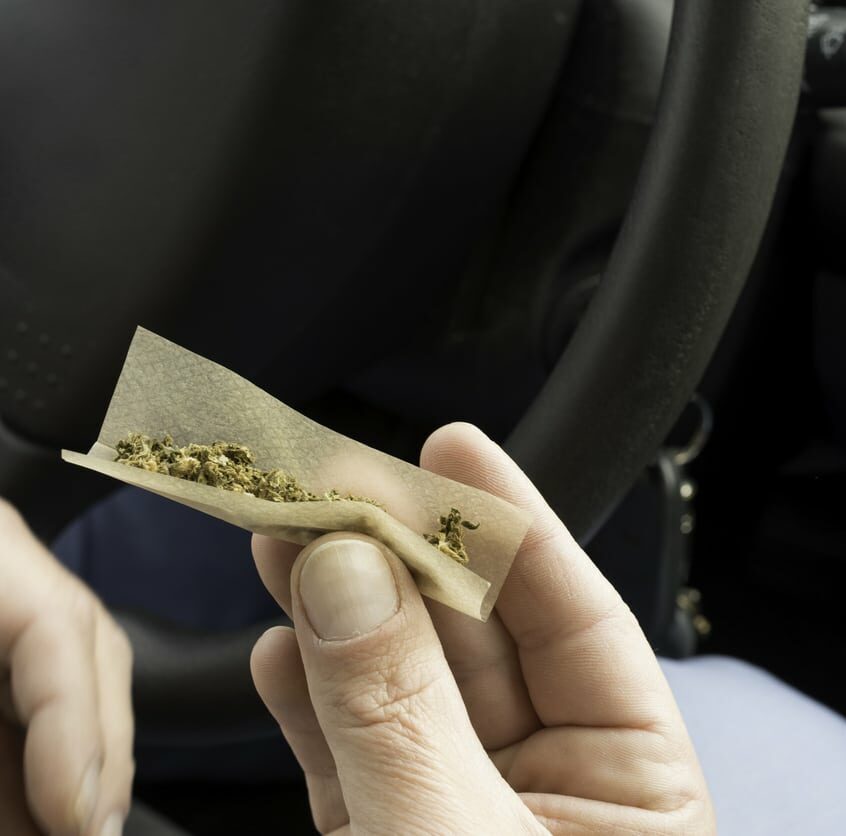
Driver’s License Suspension and Driving Restrictions
A conviction can lead to a driver’s license suspension, along with points added to your driving record. Sometimes, drivers may qualify for limited driving permits, but restrictions often apply.
Losing your driving privileges can disrupt employment, school, and family responsibilities. For many individuals in Alpharetta, reliable transportation is essential, making the consequences of a license suspension particularly burdensome.
Enhanced Penalties for Repeat Offenses
Georgia law imposes increasingly severe penalties for repeat DUI offenses. Subsequent convictions may result in longer incarceration, higher fines, extended probation, mandatory installation of ignition interlock devices, and longer license suspensions. Courts also tend to impose stricter monitoring conditions. The stakes rise significantly with each additional charge.
Long-Term Impact Beyond the Courtroom
A marijuana DUI conviction can have consequences that extend far beyond sentencing. A criminal record may appear on background checks, potentially affecting employment opportunities, professional licensing, housing applications, and educational prospects. Insurance premiums often increase substantially after a DUI conviction, creating ongoing financial strain.
The Importance of Strong Legal Representation
An experienced Alpharetta marijuana DUI defense lawyer evaluates every aspect of the case, from the legality of the traffic stop to the reliability of the testing procedures. By challenging weaknesses in the prosecution’s evidence and advocating strategically, our marijuana DUI attorneys in Alpharetta, GA, work to reduce or avoid the penalties that can otherwise follow a conviction.

Why Choose Bulldog Law Firm for Marijuana DUI Defense in Alpharetta
Facing a marijuana DUI charge in Alpharetta can feel overwhelming. Bulldog Law Firm provides focused and aggressive defense for individuals accused of driving under the influence of marijuana. These cases often involve subjective observations, contested testing procedures, and complex legal issues that require careful analysis and strategic planning.
Knowledge of Local Courts and Procedures
Bulldog Law Firm’s marijuana DUI lawyers understand the procedures, expectations, and practices within Alpharetta courts. The firm’s familiarity with local prosecutors and court processes enables it to anticipate how marijuana DUI cases are typically handled and prepare accordingly. This insight can make a meaningful difference when evaluating evidence, filing motions, or negotiating case outcomes.
Personalized Defense Strategies
No two marijuana DUI cases are identical. Bulldog Law Firm prioritizes individualized defense strategies designed to protect your driver’s license, freedom, and long-term future.
Whether that involves challenging the legality of the traffic stop, scrutinizing field sobriety testing, questioning chemical analysis, or seeking reduced charges, the approach is tailored to your specific circumstances.
Strong DUI Defense When It Matters Most
From pretrial negotiations to courtroom representation, Bulldog Law Firm is committed to thorough preparation and steady advocacy. If you are facing a marijuana DUI charge, contact Bulldog Law Firm today. You need to begin building your defense now. We offer free consultations, so call today.
Frequently Asked Questions
Can I be charged with DUI for marijuana even if I wasn’t “high”?
Yes. In Georgia, you can be charged if law enforcement believes that marijuana impaired your ability to drive safely. Unlike alcohol, there is no clear legal “limit” for THC impairment. Officers rely on observations, driving behavior, and testing to determine whether impairment existed.
Is marijuana DUI different from alcohol DUI?
Yes. Alcohol DUIs often rely on a specific blood alcohol concentration (BAC) threshold. Marijuana DUIs do not have a clear per se impairment level. Instead, prosecutors must show that marijuana made you less safe to drive, which can involve more subjective evidence.
Can I be convicted without a blood test?
Yes. A conviction can occur without a blood test if prosecutors present other evidence suggesting impairment. Officer testimony, body camera footage, and field sobriety performance may be used. However, the absence of chemical testing can weaken the case.
What evidence do police use in marijuana DUI cases?
Police may rely on driving patterns, field sobriety tests, officer observations, statements, and chemical testing of blood or urine. They may also note the odor of marijuana or the presence of paraphernalia. Each piece of evidence can be challenged depending on the circumstances.
How accurate are field sobriety tests for marijuana DUI?
Field sobriety tests were originally developed to detect alcohol impairment. Their accuracy for marijuana-related impairment is debated. Factors like fatigue, anxiety, medical conditions, or uneven pavement can influence results, making careful review of testing conditions important.
Can medical marijuana patients be charged with DUI in Georgia?
Yes. Even lawful possession of low-THC oil does not permit impaired driving. Georgia law focuses on whether a driver was less safe to operate a vehicle, not whether the substance was legally obtained. Legal use does not protect against DUI charges.
Will my driver’s license be suspended for a marijuana DUI?
A marijuana DUI can lead to license suspension, particularly if you refuse chemical testing under Georgia’s implied consent laws. Administrative license consequences may occur separately from the criminal case, making early legal guidance important.
How long does a marijuana DUI case take in Alpharetta?
Timelines vary depending on court scheduling, evidence testing, and negotiations. Some cases resolve within months, while others take longer if motions or trial preparation are involved. Local court procedures can influence the overall pace of the case.
Should I submit to chemical testing if suspected of marijuana DUI?
Georgia’s implied consent law requires drivers to submit to state-requested testing or face automatic license suspension. However, testing can also provide evidence for the prosecution. This decision carries legal consequences and should be discussed with counsel as soon as possible.
How long does THC remain detectable in the body?
THC can remain detectable for days or weeks, depending on frequency of use, metabolism, and testing method. Detection does not automatically mean impairment at the time of driving, which is often a key issue in marijuana DUI cases.


