


Alpharetta Amputation Injury Lawyer
Understanding Amputation Injuries and Their Impact
Amputation injuries are among the most devastating physical injuries a person can suffer. The loss of a limb affects far more than mobility. It reshapes daily routines, independence, employment, and long-term health. These injuries often result from traumatic motorcycle and car accidents, medical mistakes, defective products, or traumatic amputation injury, and the consequences are usually permanent.
In Georgia, amputation is classified as a catastrophic injury, which ensures eligibility for lifetime income and extended medical benefits under the workers’ compensation system.
Beyond the physical loss, amputation can cause significant emotional trauma. Many individuals experience phantom limb pain and sensations in the amputated limb, where the brain misinterprets signals and causes pain or tingling even though the limb is no longer present. Long-term care needs are common, and the potential for permanent disability can impact every aspect of life.
Physical, Emotional, and Financial Consequences
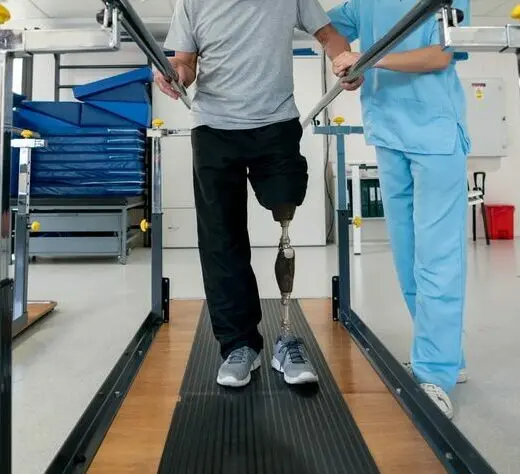
Both traumatic and surgical amputations require extensive medical care. Victims may face emergency treatment, multiple surgeries, prolonged hospital stays, and months or years of rehabilitation. Prosthetics, physical therapy, and adaptive equipment are often necessary for life. Emotional trauma is also common. Anxiety, depression, and grief over lost abilities can significantly affect quality of life.
The financial strain can be overwhelming. Medical expenses add up quickly, while time away from work or reduced earning capacity places added pressure on families. Long-term care needs make it essential to understand the full scope of losses before moving forward with a legal claim.
Understanding Your Legal Options in Alpharetta
Experienced amputation injury lawyers can help you understand your legal rights after limb loss. Building a strong claim requires evaluating how the injury occurred, who may be responsible, and how the injury will affect your future. This process often involves detailed documentation and careful planning.
Personal injury law plays a critical role in amputation cases, as it provides the legal framework for pursuing compensation after incidents such as car accidents, workplace injuries, or product defects that result in limb loss. If you prove negligence, you may be entitled to compensation for your economic and non-economic losses.
The Importance of Skilled Legal Guidance
Working with a skilled loss-of-limb attorney is essential to increase the odds of a favorable outcome. Legal guidance allows injured parties to focus on recovery while their case is handled with care and attention. Bulldog Bike Law Firm provides representation for those facing life-altering amputation injuries and helps pursue compensation that reflects the true, long-term impact of limb loss.
Common Causes of Amputation Injuries in Alpharetta
Motorcycle accidents are a leading cause of traumatic amputation injuries in Alpharetta. Riders have minimal physical protection, increasing the risk of severe crushing or impact injuries in collisions. Serious motor vehicle accidents, including car accidents, can also result in limb loss when occupants are trapped or exposed to extreme force.
Car accidents often require careful evidence gathering, fault determination, and understanding of Georgia’s traffic laws, making legal representation crucial for victims.
Workplace injury is another leading cause of amputation, with accidents or negligence at the workplace resulting in significant harm and potential legal claims.
Amputation injuries can lead to substantial medical bills, ongoing therapy costs, and loss of income if the individual is unable to return to work. You may be hospitalized for weeks or even months, keeping you from earning a living.
Amputation injuries may result from someone else’s negligence, making legal accountability and the right to seek compensation essential for victims.
Construction and Workplace Accidents
Construction sites and industrial workplaces often involve heavy machinery, power tools, and moving equipment. When safety protocols are ignored or equipment is improperly maintained, workers may suffer devastating injuries. Crush injuries, entanglement, and severe trauma in these environments can lead to partial or full amputations.
Medical Errors and Surgical Complications
Some amputations result from medical malpractice, including preventable medical errors, such as surgical amputations caused by complications during medical procedures. Surgical errors, delayed diagnoses, or improper treatment of infections can unnecessarily worsen conditions. When blood flow is compromised or infections are not addressed promptly, amputation may become the only remaining treatment option.
Defective or Dangerous Products
Defective products can pose serious risks. Malfunctioning industrial equipment, faulty safety guards, and dangerous medical devices may cause severe injuries that result in limb loss. Product-related cases often involve detailed investigations into design, manufacturing, and warning failures.
Infections and Untreated Medical Conditions
In some cases, amputations result from infections or medical conditions that were not properly treated. Negligence-related delays in care can allow manageable conditions to escalate into life-threatening situations that require amputation to prevent further harm.
Holding Negligent Parties Accountable
When limb loss results from another party’s failure to act responsibly, an amputation injury attorney in Alpharetta can evaluate the circumstances and pursue accountability. Identifying the cause of the injury is a critical step toward seeking compensation that reflects the lasting physical, emotional, and financial impact of amputation.
How an Alpharetta Amputation Injury Lawyer Can Help
An Alpharetta amputation injury lawyer plays an important role in identifying how the injury occurred and who may be responsible. This process often involves reviewing accident scenes, safety records, medical timelines, and available reports. A lawyer also guides clients through the claims process and legal proceedings, helping them understand each stage to ensure their case is properly handled and they are prepared for litigation.
A thorough investigation helps uncover factors that may not be immediately obvious but are critical to establishing liability. Gathering substantial evidence for amputation cases includes collecting medical records, obtaining witness statements, and collaborating with experts such as crash investigators and medical professionals.
An amputation injury lawyer can also help you potentially recover compensation for economic damages, including medical expenses and lost wages.
Identifying All Potentially Liable Parties
Amputation injuries can involve more than one responsible party. These cases may include drivers, employers, property owners, manufacturers, or medical providers. Identifying all potentially liable parties is essential to building a complete claim and ensuring that all available sources of compensation are considered.
Gathering and Organizing Supporting Evidence
Strong claims rely on clear documentation. Legal teams collect medical records, surgical reports, employment records, witness statements, and other supporting materials. When needed, professional opinions may be used to explain how the injury occurred and the long-term impact on daily life and earning capacity.
Managing Insurance Communications and Negotiations
Insurance companies often attempt to minimize payouts in serious injury cases. An Alpharetta amputation injury lawyer handles communication and negotiations with insurers, helping protect clients from statements or tactics that could weaken a claim. This allows the case to move forward in an organized and strategic manner.
Supporting Clients Throughout the Legal Process
Amputation injuries affect every aspect of your life. With a traumatic amputation lawyer in place, you can focus on medical care and recovery while your legal team manages deadlines, filings, and case strategy. Consistent communication helps clients understand each step and make informed decisions as their case progresses.
Proving Negligence and Building a Strong Amputation Injury Claim
To pursue compensation in an amputation injury case, an Alpharetta amputation injury lawyer must show that another party’s negligence caused the injury. This generally involves proving a duty of care, a breach of that duty, and a direct link between the conduct and the resulting harm.
Each element must be supported with clear, organized evidence tied to the specific facts of the incident. The goal is to recover compensation for all losses, and if necessary, pursue a personal injury lawsuit to ensure your rights are protected.
Proving negligence might sound straightforward, but it is often more difficult than it appears. That’s why you should retain a skilled Alpharetta amputation injury law firm as soon as possible after the incident. A comprehensive claim should account for all losses, including future medical needs, lost earning capacity, and pain and suffering.
Identifying the Cause of the Amputation Injury
Amputation injuries can occur in many settings. Common causes include unsafe work environments, motorcycle and vehicle collisions, medical treatment errors, and defective products. Identifying how the injury happened is a critical step. It helps determine who may be legally responsible and what standards of care apply under Georgia law.
Gathering and Preserving Key Evidence
Strong claims rely on thorough documentation. Evidence may include medical records, surgical reports, photographs, witness statements, safety records, and product or vehicle data. In some cases, accident reconstruction analysis or workplace investigations help explain how the incident occurred and why it could have been prevented through reasonable care.
Using Professional Analysis to Support Liability
Complex amputation injury claims often require professional input to explain technical issues. Medical providers may describe the nature of the injury and future care needs. Engineers or safety professionals may address mechanical failures or hazardous conditions. This analysis helps clarify how negligence contributed to the loss of a limb.
Building a Well-Supported Claim
Careful case preparation is essential in Alpharetta amputation injury law due to the long-term impact and financial stakes involved. A well-documented claim presents a clear narrative supported by evidence. This approach strengthens negotiations and provides a solid foundation should litigation become necessary, helping to secure compensation that reflects lifelong medical, financial, and personal losses.
Compensation Available for Amputation Injury Victims
Amputation injuries often require immediate emergency care followed by multiple surgeries, extended hospital stays, and long-term rehabilitation. Victims may be entitled to financial compensation, and understanding how much compensation you can receive is crucial when pursuing a claim.
Compensation can help cover medical expenses, including treatments, rehabilitation, and other related costs. These can include follow-up procedures, wound care, pain management, and continued physician visits. The goal is to reflect the full scope of medical care tied to the injury, not just the initial hospitalization.

Lost Income and Reduced Earning Capacity
Many amputation injury victims are unable to return to work right away. Some may never return to the same type of employment, resulting in a potentially severe loss of income. Compensation may address lost wages during recovery and reduced earning capacity due to permanent physical limitations. This includes consideration of job retraining, changes in career paths, and long-term income loss connected to the injury.
Pain, Suffering, and Emotional Impact
Amputation injuries affect more than finances. Physical pain, emotional distress, and psychological challenges are common. Non-economic damages may address anxiety, depression, trauma, and the loss of enjoyment of everyday activities. These damages recognize the human impact of limb loss and how it alters daily life, relationships, and independence.
Prosthetics and Long-Term Support Needs
Ongoing needs often extend for years or a lifetime. Compensation may include prosthetic devices, replacements, physical therapy, mobility equipment, and home or vehicle modifications. These costs can be substantial and must be evaluated carefully by your personal injury lawyer to avoid underestimating future expenses related to mobility and independence.
Evaluating the Full Value of a Claim
An Alpharetta amputation injury lawyer works to identify damages that reflect both immediate losses and long-term consequences. Each case is unique, and careful evaluation helps ensure the claim accurately represents how limb loss affects health, finances, and quality of life over time.
Why Choose Bulldog Bike Law Firm for Amputation Injury Cases
Amputation injuries change everything. Daily routines become harder. Medical care is ongoing. Future plans often have to be rewritten. During that disruption, financial pressure should not be another burden on you or your family.
A strong legal claim can help address medical treatment, rehabilitation, prosthetics, lost income, and long-term support needs. It also creates space to focus on healing instead of paperwork, deadlines, and insurance negotiations. Every case is different, and careful attention to detail matters from the very beginning.
At Bulldog Law Firm, our Alpharetta amputation injury lawyers offer a free consultation. It gives you the opportunity to discuss your situation, ask questions, and understand potential next steps without obligation. Our firm works on a contingency fee basis, so there are no upfront legal costs. You pay nothing unless compensation is recovered.
If you or a loved one has suffered an amputation injury, do not wait to explore your personal injury claim options. Reach out today to our Alpharetta personal injury attorney to start a clear, informed conversation about protecting your future.
Frequently Asked Questions
How long do I have to file an amputation injury claim?
In Georgia, amputation injury claims are generally subject to strict filing deadlines. Missing these time limits can affect your ability to pursue compensation, so it is important to act promptly and confirm how deadlines apply to your situation.
What should I do immediately after an amputation injury?
Seek emergency medical care first. Follow all treatment recommendations. Document what happened, preserve any physical evidence, and avoid discussing the incident with insurers before understanding your rights and options under Georgia law.
How much does it cost to hire an amputation injury lawyer?
Most amputation injury cases are handled on a contingency fee basis. This means legal fees are typically paid from a recovery, not upfront, allowing injured individuals to seek representation without immediate out-of-pocket costs.
Can I handle an amputation injury claim without a lawyer?
While it is possible, amputation injury claims often involve complex medical records, insurance disputes, and long-term damages. Legal guidance can help ensure deadlines are met and that the claim reflects the full impact of the injury.
What types of evidence are important in an amputation injury case?
Common evidence includes medical records, accident reports, photographs, witness statements, employment records, and documentation of ongoing care needs. This information helps show how the injury occurred and how it affects daily life.
Can I file a claim if my amputation was caused by someone else’s negligence?
Yes. If another party’s careless or unsafe actions contributed to the injury, you may be able to pursue a claim. Each case depends on the facts, evidence, and how Georgia negligence laws apply.
What is the difference between partial and full amputation cases?
A partial amputation involves incomplete loss of a limb or digit, while a full amputation involves total loss. Both can result in serious medical, functional, and financial challenges that may be considered in a claim.
How long does an amputation injury lawsuit take?
The timeline varies. Some cases resolve through settlement, while others require litigation. Factors include the severity of the injury, medical recovery time, insurance negotiations, and whether liability is disputed.
What is the role of insurance companies in amputation injury claims?
Insurance companies investigate claims and evaluate potential payouts. Their goal is often to limit financial exposure, which is why careful communication and thorough documentation are important throughout the process.
Will I need expert witnesses for my amputation injury case?
Some cases involve testimony from medical professionals, vocational analysts, or life care planners. Their input can help explain the injury, future needs, and long-term effects clearly and substantively.


